Survival rations
Canned ravioli on the menu
Would you eat canned ravioli cold, straight from the can? Germans might have to, according to a report in The Times, published in the Sunday Star-Times last Sunday. Should a food crisis arise, the country’s 100,000-tonne stockpiles of rice, split peas, and milk powder, as well as another 700,000-tonne hoard of wheat, rye, and barley, will be of limited use in feeding the masses because the ingredients require cooking or processing before they are fit to eat. The German minister for food and farming, Alois Rainer, has suggested it would be more practical to store canned ravioli and lentils. All you would need to do is rip open the can and eat the contents.
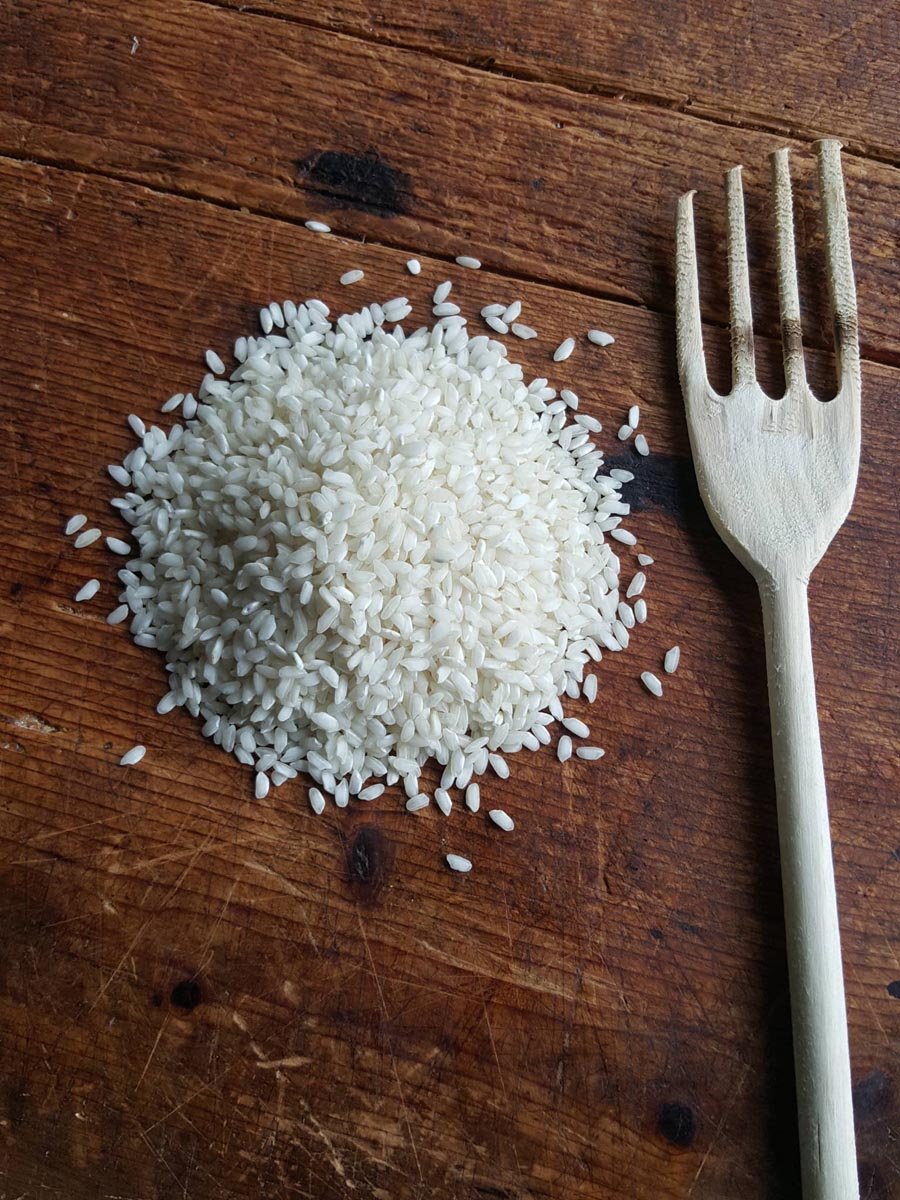
The report also says that the German government’s disaster preparedness agency, the BBK, advises each household to maintain a mini stockpile of staples. This is the interesting part! Per person: 20 litres of water, 4 kg of dried pulses, 3.5 kg of dried rice or pasta and 2.5 kg of nuts and preserved fruits. A family of four would need a big pantry to store, say 80 litres of water, 32 x 500g packets of dried pulses, 28 x 500g packets of pasta and 10 kg of assorted nuts and dried fruit.The New Zealand Government, in its Home Emergency Checklist, recommends having enough food and water for a minimum of three days, and recommends at least three litres of water per person per day (a total of nine litres per person for a three-day period). This does not need to be commercially bottled water – instructions are given for storing tap water. It is well worth reading all the recommendations. Here are a few highlights, but the full recommendations can be sourced here Civil Defence
Storing food
Familiar foods can lift morale and help people feel secure in time of stress. Try to include foods that everyone will enjoy. Look for foods high in calories, protein, carbohydrates, vitamins, and minerals. Look for canned foods with high liquid content in case water is scarce.
Store long lasting food that doesn’t need cooking (unless you have a camping stove (and fuel) or BBQ), as power and gas may not be available. Remember to ensure you have a can opener if you are storing canned food.
Suggested food to store:
- Ready-to-eat canned meats, fruits, and vegetables.
- Canned juice, long-life or powdered milk, and soup.
- High-energy foods such as peanut butter, jam, salt-free crackers and energy bars.
- Scroggin or trail mix (pre-packaged or homemade).
- Comfort foods such as hard sweets, sweetened cereals, snack bars, and biscuits.
- Instant coffee, tea bags.
- Compressed food bars. They store well, are lightweight, taste good, and are nutritious.
- Dried or bulk foods like dried fruit, nuts or crackers – also pasta, rice and dried beans. Avoid very salty foods, as they may increase thirst.
- Freeze-dried foods. They are tasty and lightweight but will need water for reconstitution.
- Whole-grain cereals (oatmeal, whole-wheat, multi-grain).
- Instant meals. Cups of noodles or cups of soup are a good addition, although they need water for reconstitution and may contain a lot of salt.
- Snack-sized canned goods, which generally have pull-top lids or twist-open keys.
- Pre-packaged beverages. Those in foil packets and foil-lined boxes are sealed and will keep for a long time if the seal is not broken.
- Foods for infants, elderly persons, or persons on special diets.
- Non-perishable foods for pets and other animals.
When selecting foods, keep in mind that:
- Salty foods are usually not a good choice, because they will make you thirsty and drinking water may be in short supply.
- Commercially dehydrated foods often require a lot of water for reconstitution and effort to prepare.
- Glass bottles and jars can easily break in an earthquake.
- Whole grains, beans, and dried pasta require water for preparation and cooking. Water can be in short supply in an emergency.